
 Image Credit CeraVe
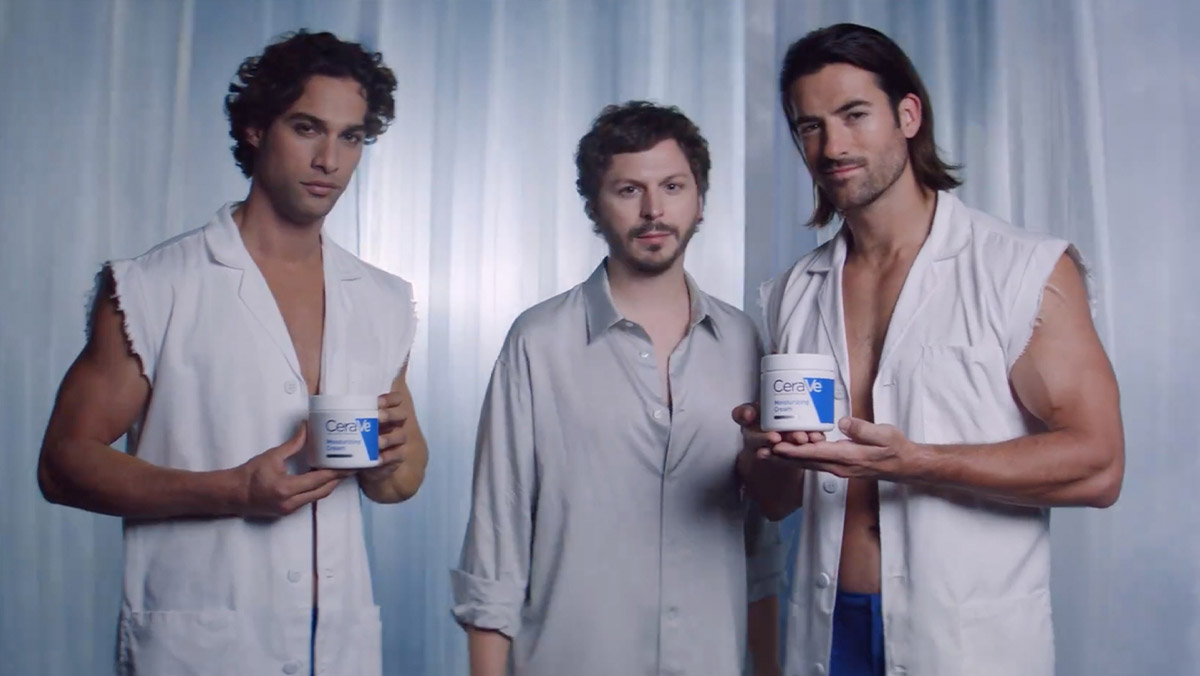
CeraVe decisively won the battle of the ad campaigns at this year’s Super Bowl, in an extremely crowded field. Leveraging a mix of humour and relatability, the skincare brand's ad featured the actor Michael Cera (an unlikely figure to be associated with healthcare products of any sort) playfully revealing that he was the “founder” of the brand. The ad proved extremely resonant, spreading rapidly across platforms. It was a win the company scored by paying attention to its audience and social chatter, and by a willingness to be playful and responsive. CeraVe had taken on an idea that originated as a joke on TikTok and ran with it, making it the core of their campaign. They were able to take a bit of silly word play and use it to successfully amplify their message while showing that they were in on the joke: a testament to the power of a strong social intelligence strategy. The journey started with a TikTok video posted back in August 2023, from a user known as @bunnypenny007, which jokingly assumed Michael Cera was the creator of CeraVe, punning on his name. The video was textbook TikTok viral fodder: funny, a little weird, knowing and natural-feeling, and went moderately viral. It also caught the brand's attention via proactive social listening, sparking an idea that took the joke to the next level. Collaborating with Ogilvy, CeraVe mobilised over 450 influencers, including popular figures like Kirbie Johnson, Haley Kalil and Bobbi Althoff and @bunnypenny007 herself, to play into the idea that the Hollywood actor really was the company’s founder, going so far as to brand special products as “Michael CeraVe”, building interest ahead of the Super Bowl. Cera himself also got involved, being photographed by paparazzi signing CeraVe products in chemist and walking out of a podcast interview when asked about his links to the brand. This influencer-led narrative, anchored in UGC, is a perfect example of how brands can use social listening to captivate and engage. The ad itself used Cera to spoof over the top perfume promos and cleverly concludes with the revelation that CeraVe is not, in fact, created by Hollywood’s favourite low-key indie oddball, but is actually formulated by dermatologists. It gave the company an opportunity to double down on its core message while still having fun. The campaign generated 6 billion impressions and culminated in a Super Bowl ad that does that rare thing of breaking into the zeitgeist, achieved via a clever buildup of intrigue and anticipation via social combined with excellent creative execution premiered to the US’s biggest national TV audience. It highlights the strategic importance of social intelligence in modern marketing: brands can use UGC, turning online comments into the cornerstone of campaigns. When it works, and when it’s done well, it’s a tactic that can resonate with the audience incredibly effectively.
The Future of Marketing is Listening to your audience
CeraVe's campaign is a perfect example of the transformative potential of social listening in marketing. It’s the reason we started Buzz Radar in 2012. The ad demonstrates how content generated by the audience can feed back into the very products that inspired it. CeraVe's message is clear for brands navigating the digital landscape: the future of marketing lies in social intelligence. Consumers are bombarded with content, and personalised and responsive campaigns can cut through the noise. The CeraVe example shows that when companies listen and act on what they hear, they not only foster brand loyalty but also create a ripple effect that propels their message far and wide, proving that 'smart listening' is a cornerstone of successful digital marketing strategies. The ability to listen, engage, and innovate based on audience insights will define leading brands. Brands that can quickly adapt to what they learn from social interactions are setting themselves apart, and CeraVe's viral success underscores the necessity for a dynamic approach to marketing that embraces the unexpected. Digital platforms now dominate the consumer landscape, and the brands that will thrive are those that listen closely to their customers and can turn a simple online moment into a significant marketing triumph. To discuss how we can help your business keep an ear to the ground, drop us a line.
Patrick Charlton Published on February 23, 2024 4:54 pm
Frequently Asked QuestionsFAQs
What was CeraVe's Super Bowl commercial about?
CeraVe's Super Bowl ad featured actor Michael Cera pretending to be the founder of the skincare brand, playing on the similarity between his name and the brand name. The campaign originated from a viral TikTok joke and was built up through months of influencer marketing before culminating in the Super Bowl commercial.
How did CeraVe come up with the Michael Cera campaign idea?
The campaign started with a TikTok video from user @bunnypenny007 in August 2023 that jokingly suggested Michael Cera was CeraVe's founder based on the name similarity. CeraVe discovered this through social listening and decided to turn the viral joke into their major marketing campaign.
How many influencers did CeraVe use in their campaign?
CeraVe collaborated with over 450 influencers for their Michael Cera campaign, including popular figures like Kirbie Johnson, Haley Kalil, Bobbi Althoff, and the original TikTok creator @bunnypenny007. These influencers helped build anticipation and spread the narrative that Michael Cera was actually the brand's founder.
What results did CeraVe's Super Bowl campaign achieve?
CeraVe's campaign generated 6 billion impressions and successfully broke into the cultural zeitgeist. The campaign demonstrated how social listening and user-generated content can be transformed into highly effective marketing that resonates with audiences on a massive scale.