Professional influencer vetting failed the BBC. Is your pharmaceutical brand next?
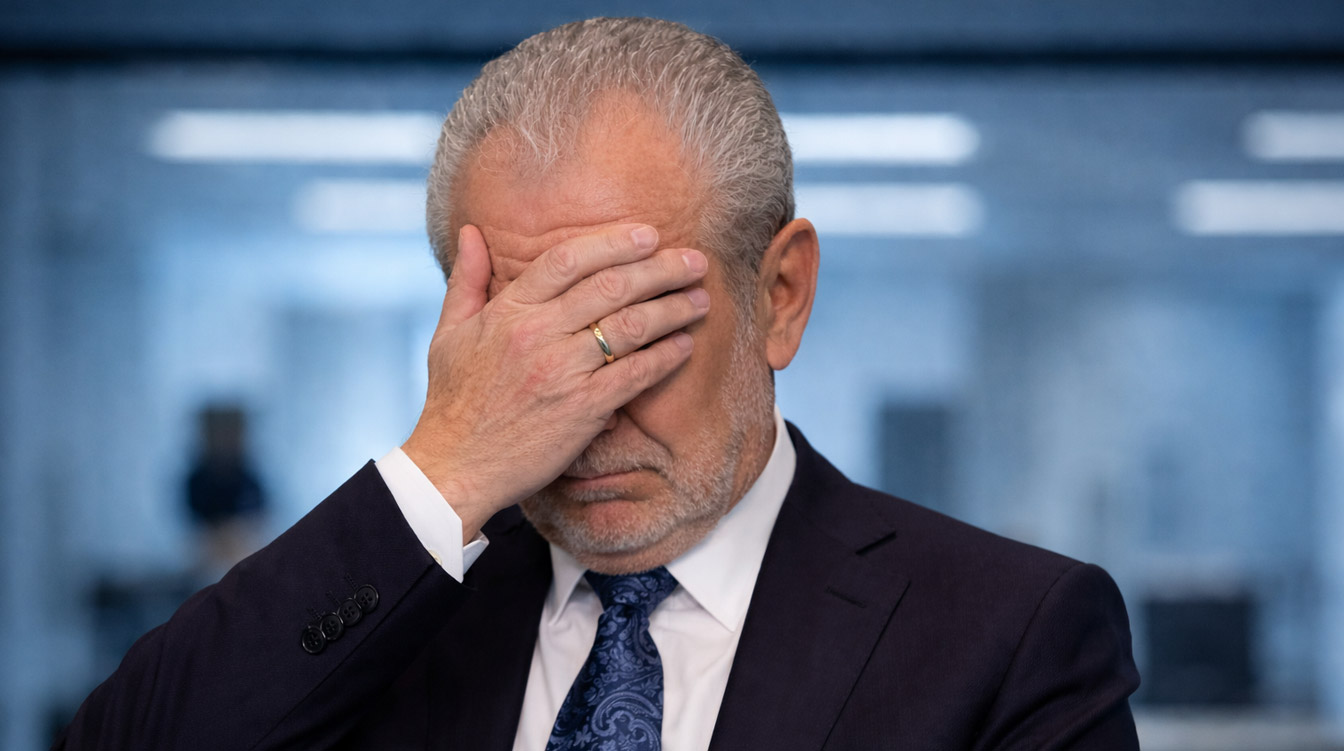
The BBC can't cut Levi Hodgetts-Hague from The Apprentice, despite Islamophobic and racist posts he made on Twitter back in 2012 and 2013 coming to light this week. Filming has wrapped on the latest series, reshooting would be monstrously expensive and the show airs later this month.
It’s the reason shows like The Apprentice typically screen contestants' social media histories ahead of recording, ensuring there are no skeletons in their back catalogue that could embarrass the show or put the BBC in a compromising position. In this case producers engaged "reputable third-party providers" to conduct "rigorous due diligence" into Apprentice hopeful’s online behaviour. Which is awkward, because The Sun On Sunday appears to be have been able to find the posts easily. They were still live on X until the paper alerted Naked, the company that produced the show.
If the BBC can't spot this, can you?
The question pharmaceutical marketing teams need to ask themselves is: if broadcasters with legal departments and professional screening services keep missing obvious red flags, what's happening with your Digital Opinion Leader vetting?
The stakes are higher in healthcare. A DOL promotes your campaign, but they also represent your science, your patients and your credibility in a therapeutic area.
Here, one resurfaced post can destroy months of work and create something worse than PR damage: regulatory problems. MLR reviews. ABPI Code compliance violations. Medical accuracy questions.
Why manual vetting keeps missing what newspapers find quickly
Traditional influencer screening follows a broken playbook. Candidate's names are manually searched on major platforms and run through a screening tool that checks controversy databases and flags keywords. If nothing obvious surfaces, they’re approved.
This fails because it assumes three things that aren't true anymore.
It assumes 'comprehensive checks' actually check comprehensively
The Apprentice cases prove otherwise. Posts from 2012 and 2013 were publicly available for over a decade. Professional vetting services missed them entirely.
It assumes manual review catches enough.
We don't know exactly why professional screening missed posts that were publicly available for over a decade. But common limitations in manual vetting generally come down to scale. An active influencer might have 5,000+ posts across Instagram, X, LinkedIn, TikTok. Reading everything takes weeks. Manual vetters can’t read all of these, so instead they sample, spot-check and search keywords—but only if they already know what problematic terms to look for.
It assumes platforms want you to find old content.
They don't. X search is patchy for historical posts. Instagram won't let you filter by date. TikTok buries old content under algorithmic feeds. LinkedIn limits scrolling depth.
Social platforms actively hide comprehensive historical review.
The scale problem nobody talks about
What actually happens in most pharmaceutical marketing teams?
Someone gets tasked with vetting a shortlist of 10 potential DOLs. They have maybe two days. They manually check what they can, missing context, deleted-then-reposted content and likely will miss alt accounts. They also may be unfamiliar with platforms they don't personally use.
Then the DOL gets approved and the campaign launches. Six months later, someone on X finds a thread from 2014.
Now you're explaining to your compliance team why your HIV awareness campaign just got torpedoed by your spokesperson's views on unrelated topics.
What pharmaceutical influencer vetting actually requires
Healthcare brands can't afford vetting theatre. They need systems that work.
That means:
- Analysing complete social media histories, not sampling recent posts
- Covering every platform, not just the ones your team uses
- Processing thousands of posts in minutes, not weeks
- Finding content even when platforms make it deliberately hard
- Flagging context and patterns, not just keyword matches
This can’t just be the appearance of thoroughness. It needs to be about not getting blindsided by easily discoverable content.
Technology that matches the problem
At Buzz Radar, we've spent six years building social intelligence tools specifically for healthcare communications. BRIANN crawls entire social media histories across platforms, analyses every post and interaction, and delivers findings in minutes.
We built it to help pharmaceutical marketers understand patient conversations and HCP discussions. But the same technology that maps therapeutic area conversations and identifies KOLs also provides comprehensive influencer screening.
Early partners use BRIANN for audience analysis, competitive intelligence, and content strategy. The vetting capability runs on the same engine: complete platform coverage, historical depth, and AI-powered analysis that actually understands healthcare context.
The new standard
The Apprentice failures are symptoms, not outliers. Traditional vetting wasn't designed for billions of posts across dozens of platforms spanning 15+ years, and manual review can't scale — sampling creates inevitable gaps. And the cost of missing something keeps rising.
Broadcasters face this problem. Consumer brands face it. Pharmaceutical companies face it with higher regulatory stakes.
Healthcare marketing deserves better than hoping nothing surfaces after your DOL is already representing your brand. The technology exists to analyse complete social histories before you make that call.
If a newspaper can find decade-old problematic posts, your vetting process should too.
Working with healthcare influencers? Let's talk about what comprehensive social media screening actually looks like. Message me directly or drop a comment below.
Marc Burrows Published on January 28, 2026 3:50 pm
Frequently Asked QuestionsFAQs
What is DOL screening in pharmaceutical marketing?
DOL (Digital Opinion Leader) screening is the process of vetting healthcare influencers' complete social media histories before partnering with them for pharmaceutical campaigns. It involves analyzing all their posts across platforms to identify potential compliance issues, controversial content, or anything that could create regulatory problems for healthcare brands.
Why do manual influencer vetting processes fail to find problematic posts?
Manual vetting fails because it relies on sampling rather than comprehensive review, with vetters unable to read through thousands of posts across multiple platforms in limited timeframes. Social media platforms also make historical content difficult to find, and manual searches only catch keywords that vetters already know to look for.
What are the risks of poor influencer vetting for pharmaceutical companies?
Poor vetting can lead to regulatory violations, ABPI Code compliance issues, and MLR review problems when problematic content surfaces after campaigns launch. Unlike other industries, pharmaceutical companies face heightened scrutiny because influencers represent both the brand and the scientific credibility in therapeutic areas.
How long does comprehensive social media screening take with automated tools?
Automated social intelligence tools can analyze complete social media histories across all platforms in minutes rather than the weeks required for manual review. This allows for analysis of thousands of posts and interactions while identifying context and patterns that manual sampling typically misses.