

One of the key components of any event is knowing what your audience wants. With a virtual event, you have more flexibility. Speakers don’t have to travel; sponsors can tailor content more specifically while cutting costs; you can adjust topics based on responses. You could do focus groups, surveys to try to understand what would enhance your event most. Or you could rely on data. Starting with your target audience is the first step.
We want to equip brands with insights and data that moves the needle. Imagine if you knew who your audience was -- what they leaned to, how they preferred to get communications and marketing, and most importantly, what drives them?
When working with brands, we gather data around who is paying attention and interacting with your company. We aggregate it; anonymise it; and then run it through our AI. What comes out is a comprehensive report on your audience. We tell you what personalities make up your audience, the biggest factors in those personalities, and how they communicate. We’re able to make real-time recommendations on your content based on it.
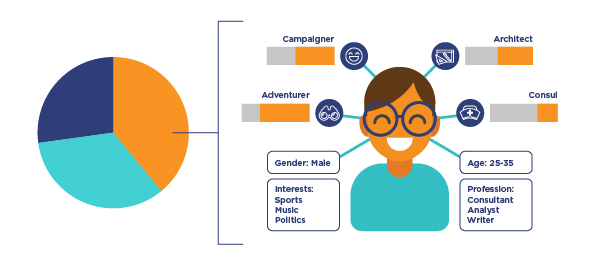
For events looking to go remote, we can help you determine what speakers and personalities are most important to your audience. We can help sponsors tailor their activations and deliver content that will resonate. We can help decide what topics are of most importance.
All this means that you are delivering better content all around to your audience.
Interested in learning more? Schedule a demo here. We’ll show you what AI can really do.
Nicky Yates Published on September 7, 2020 4:56 pm
Frequently Asked QuestionsFAQs
How do you understand your audience for virtual events?
You can use focus groups, surveys, or data analytics to understand your audience for virtual events. Data-driven approaches involve analyzing who interacts with your company and using AI to create comprehensive audience reports. This helps you tailor content, speakers, and topics to what your audience actually wants.
What are the advantages of virtual events over in-person events?
Virtual events offer more flexibility since speakers don't need to travel and costs are reduced. You can adjust topics based on real-time audience responses and sponsors can tailor their content more specifically. This flexibility allows for better customization based on audience data and preferences.
How can AI help with event planning and audience insights?
AI can analyze aggregated and anonymized audience data to create comprehensive reports about your audience's personalities and communication preferences. It provides real-time content recommendations and helps determine which speakers, topics, and sponsor activations will resonate most with your specific audience. This leads to more targeted and effective event content.
What kind of audience data is most important for event planning?
The most important audience data includes personality types, communication preferences, and what drives or motivates your audience. Understanding how your audience prefers to receive marketing communications and what topics interest them most helps you deliver better content. This data helps you choose relevant speakers, topics, and sponsor activations that will actually engage your attendees.